
News
Hybrid Inverter vs. Conventional Inverter: Which Power Solution Is Best for Your Home?
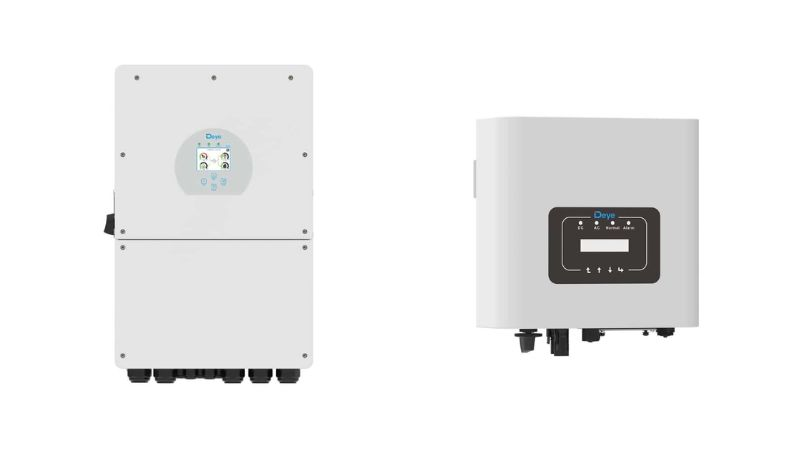
Peculiarity
Conventional inverter
Hybrid inverter
Built-in battery support
No
Yes (integrated battery management and charging)
Rezervno napajanje (isključenje)
Turns off (due to island mode protection)
Can provide (from battery and constant sunlight)
Upravljanje energijom
Basic (from solar energy to load/grid)
Advanced (manages solar, battery and grid flows)
Rukovanje izvorima napajanja
First of all, solar DC to AC converters
Solar, battery and grid (bi-directional)
Početni trošak sistema
Below
Higher (especially if batteries are included)
Ukupna složenost sistema
Below
Above (but offers a comprehensive solution)
Pogodno za vanmrežnu upotrebu
No
Yes (with batteries and proper settings)
Ability to smooth out peak loads
No
Yes (with batteries and proper settings)
Learn more
Hybrid Inverters vs. Conventional Inverters: A Direct Comparison
Choosing between a hybrid and a conventional grid-tie solar inverter depends on several key differences, primarily related to energy storage, power management, and grid-tie performance.
What is a hybrid inverter?
A hybrid inverter, sometimes called a multi-mode inverter, is a modern device that combines the functions of a standard solar inverter and a battery inverter into a single, intelligent unit. Its key features include:
- Converting direct current from solar panels to alternating current for household use.
- Manages the charging and discharging of a connected battery pack.
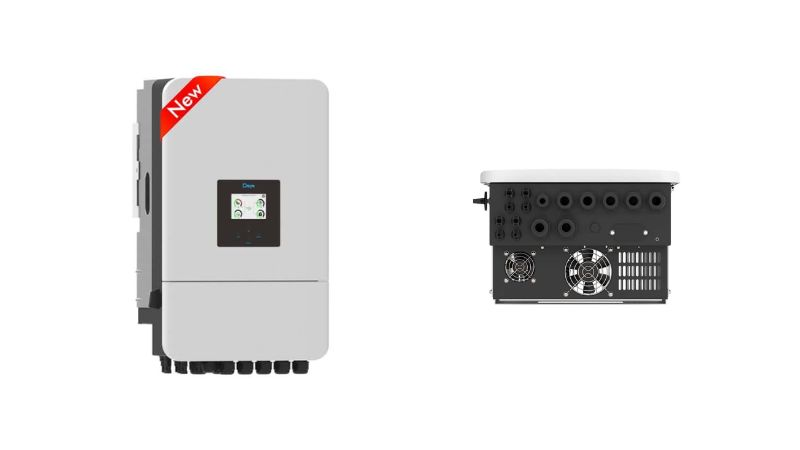
How do hybrid solar inverters work?
Main applications and advantages of hybrid inverters
-
- Prioritise your own consumption: The solar energy generated is used first to cover your home’s immediate electricity needs.
- Battery charging: If solar energy production exceeds the household’s needs, the excess energy is used to charge connected batteries.
- Grid Export (Optional): Once the batteries are fully charged, any excess solar energy can be exported to the utility grid (if permitted by local regulations and your utility company).
- Battery Discharge / Backup Power:
- Intelligent control: Most modern hybrid inverters are equipped with intelligent technology. They constantly monitor:
- Solar power generation
- Household electricity consumption
- Battery charge status
- Grid availability
During periods of low sunlight: During periods of low or no sunlight (e.g. at night, on cloudy days), the inverter extracts the stored DC energy from the batteries, converts it to AC current, and supplies it to your home.
During a power outage: In the event of a power outage, the hybrid inverter can disconnect from the grid and use the stored energy from the battery to power the essential circuits in your home.
Hybrid inverters are versatile and offer a number of advantages, making them suitable for a variety of applications.
Residential solar plus storage:
- Primary use: Allows homeowners to store excess solar energy for future use.
- Benefit: Maximizes your own solar energy consumption, reduces dependence on the utility grid, and can lead to lower energy bills.
Backup power:
Essential Function. Provides power to certain critical circuits in your home during utility outages, ensuring energy security.
Autonomous systems:
A key component. For homes or locations not connected to the utility grid, hybrid inverters manage the power between solar panels, batteries, and often a backup generator.
Smoothing out peak loads (load redistribution):
Cost savings. In regions with time-of-use (TOU)-based electricity rates, these inverters can store energy (from solar power or cheaper off-peak grid power) in batteries. This stored energy is then used during peak periods, reducing overall electricity costs.
Battery Ready Flexibility:
Many hybrid inverters are designed to operate with batteries. This means you can initially install a hybrid inverter with solar panels only. Then add compatible batteries later. This allowing you to build a complete energy system in stages.
What is a conventional inverter?
A standard solar inverter, often referred to simply as a “regular inverter” in home solar systems, is technically a grid-tie inverter. Its primary function is to:
- Convert the direct current (DC) generated by your solar panels into alternating current (AC).
- This AC power can then power your home appliances.
- Can be exported to the utility grid if your system produces excess energy.
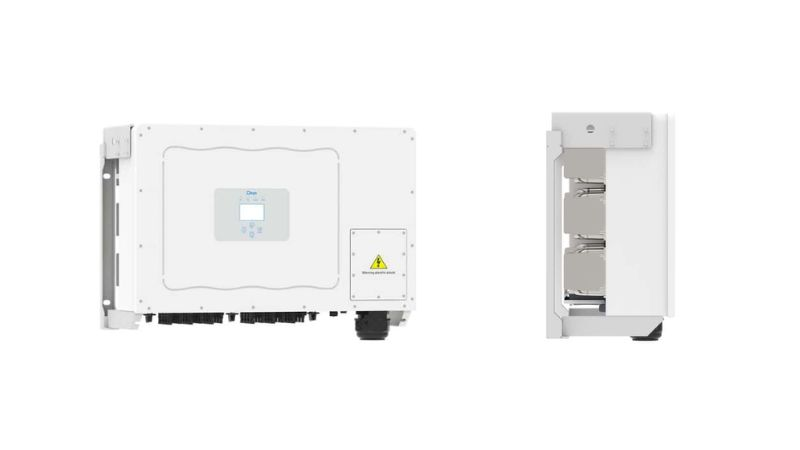
How do conventional (grid-connected) solar inverters work?
These inverters provide direct energy conversion:
- DC to AC conversion: They take DC current from the solar panels.
- Grid matching: They convert DC current to AC current that precisely matches the voltage and frequency of your home’s electrical grid (e.g., 120V/240V at 60Hz or 230V at 50Hz).
- Pure sine wave output: Modern units use technologies like pulse-width modulation (PWM) to create a “pure sine wave.” This is a clean, stable form of AC power compatible with all household electronics and appliances.
Key Features and Protections
- Islanding Protection:
- Function. This is a critical safety feature. In the event of a power outage (malfunction), the inverter automatically cuts off power.
- Purpose. Prevents the solar system from supplying power to downed power lines, ensuring the safety of utility workers.
- Important Note. For this reason, conventional grid-tie inverters do not provide backup power during a power outage on their own.
- Other Protections. Conventional solar inverters also come with protection against:
- Overload
- Short circuits
- Overtemperature conditions
The main applications of conventional battery inverters (connected to the grid) are
- Grid-tie solar systems. Their primary application is in systems where the primary goal is to use solar energy as it is produced to offset household consumption, with excess energy sent back to the utility grid (often through net metering agreements or feed-in tariffs).
- Cost-effective solar energy conversion. For homeowners whose primary goal is to reduce their electricity bills by directly using solar energy and exporting it to the grid, without the added complexity or cost of battery storage, conventional solar inverters offer an efficient and reliable solution.
While the broader category of “conventional inverters” includes types such as: square wave and modified sine wave inverters (often found in basic off-grid or portable units).
Pure sine wave inverters are the standard for quality grid-tied home solar installations.
Which inverter is best for your needs?
Choosing the right solar inverter—hybrid or conventional—depends on your energy consumption, budget, and future plans.
Your energy needs and goals:
- Conventional inverters. These are a good choice if you have a stable grid connection and your primary goal is to reduce your electricity bills by using solar power during the day. They are suitable if backup power is not a primary concern.
- Hybrid inverters. These are better suited if you use a lot of electricity, especially in the evenings. Live in a location with an unreliable grid or frequent power outages. Or if you want to maximize the use of your own solar power and have backup power.
Cost factors:
- Conventional solar inverters. The inverter itself is less expensive, reducing your initial solar investment.
- Hybrid inverters. The inverter is more expensive, and adding batteries significantly increases the overall cost. However, hybrid systems can provide greater long-term benefits by further reducing costs by using more of your own solar energy, providing backup power (which can save you the cost of purchasing a separate generator), and potentially taking advantage of time-of-use tariffs.
- Remember. Always check for tax credits, rebates, or grants, as these can reduce the net cost of any system.
Future-proofing your system:
- Energy trends are changing. Hybrid inverters offer greater flexibility and adaptability. Battery-ready models allow you to install solar panels now and add batteries later. They are also better suited for smart home systems.
- Conventional solar inverters have fewer built-in options for adding energy storage or advanced energy management in the future without major system modifications or replacement.
Make the right choice with Deye inverters
Choosing between a conventional or hybrid inverter depends on your home’s energy consumption, budget, and backup power needs. Deye offers both types of inverters to suit your specific situation.
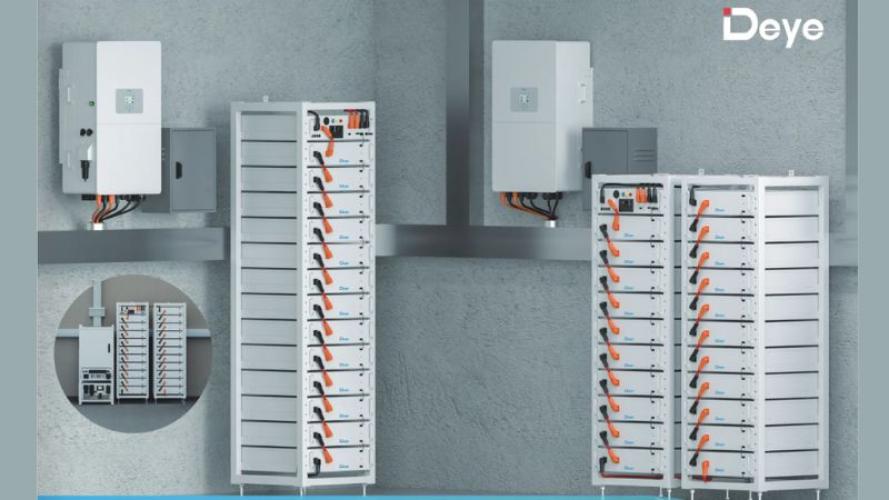
If you want to save on your bills by using solar power directly (conventional inverters).
The Deye conventional (grid-connected) inverter is a great choice if your main goal is to reduce your electricity bills by using solar power during the day and the grid is reliable.
- Models such as the SUN-(1-4)K-G04P1-EU-AM1 (for single-phase homes) or the SUN-10/12/15K-G05-LV (for larger homes) efficiently convert solar energy for immediate use or for feeding it back into the grid.
- They are cost-effective and equipped with security features and smart monitoring capabilities.
A Deye hybrid inverter is best suited if you want to store solar energy for use at any time (evenings, during power outages), need backup power, or want more control over your energy.
- The SUN-12/14/16K-SG01LP1-EU hybrid series is a good example. It runs on batteries, provides backup power, can be connected to generators, and allows for future system expansion.
- Features include high charging power, intelligent battery management, and a user-friendly touchscreen.
- Many Deye hybrids are “battery ready,” so you can add batteries later if you start with solar panels only.
Why choose Deye?
- High efficiency: maximizes energy efficiency from the panels.
- Reliability: durable and reliable protection.
- Robust design: able to withstand various weather conditions (e.g. IP65 protection class).
- Versatility: solutions for small homes and large commercial needs, such as the powerful SUN-120/125/130/135/136K-G01P3-EU-AM8 or SUN-M130/160/180/200/220G4-EU-Q0 models.
Take the next step with Deye to choose the best Deye inverter:
- Explore the Deye range. View all models on the Deye website.
- Get expert advice. Contact Deye professionals or your local installer to find the perfect fit.
Choose Deye to ensure a smart, reliable, and sustainable energy future for your home.
Check the functionality of your solar system before the season!
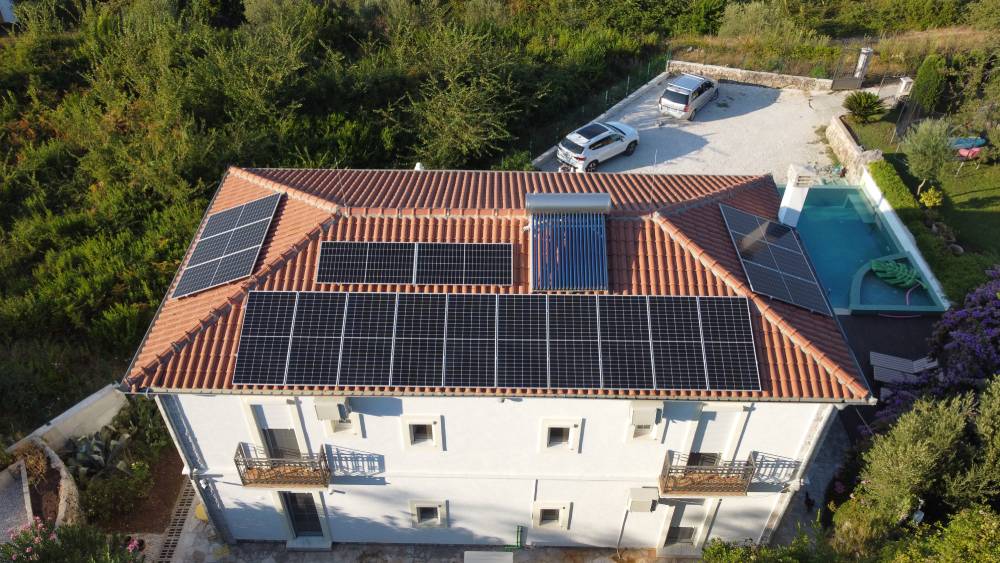
For users of thermal systems (solar collectors)
1. Make sure your system is tight – be sure to check the operating pressure parameters on the pressure gauge in the solar system circuit.
2. Make sure your expansion tanks (hydrophores) are working. The pressure in the system should not increase by more than 50% when the coolant is heated. Add air to the expansion tank or replace the expansion tank if it is completely out of order.
3. Check the condition of the filter on the return pipe before your solar system pump group (at least the position of the signal scale).
4. Make sure there is no air in the solar collectors themselves by briefly opening the air vents at their highest point. Also make sure there is no air in other elements and pipelines of the system.
5. Make sure your UPS systems are working, check the performance of the batteries for these systems by temporarily switching them to autonomous operation mode – make sure that the battery(s) have sufficient capacity to operate the system for the stated time.
For users of electrical systems
Caution! Observe safety regulations when working with electrical equipment – turn off the voltage on your system (AC, PV and DC) and check it “by instrument” – electric shock is possible! If you do not have experience in electrical installation work, contact specialists.
1. Make sure that all power cables in the AC, PV and DC line boxes
of your system are securely connected by checking all screw contact clamps.
2. Remove dust from external and internal boards of electrical equipment, from the inputs and outputs of ventilation openings (especially for equipment with forced circulation of cooling air – coolers). At the same time, do not forget that some manufacturers install warranty seals or stickers to prevent access to internal boards of equipment – perhaps you should wait until the end of the warranty period, but this will not protect you from overheating and equipment failure if it is in an environment with a high dust content …
3. Make sure “by instrument” that your grounding and lightning protection systems are operational.
Published March 10 2025
Harnessing the sun and solar energy: SOLAR BLINDS

Solar-powered blinds are an innovative solution that combines convenience, functionality and an environmentally friendly approach to everyday life. It’s simple and convenient. Solar-powered blinds use small photovoltaic panels built into the slats. These panels capture sunlight and convert it into electricity, which can then be used to power household appliances or even fed back into the grid. They can be controlled remotely using the SolarGaps app or voice commands, allowing for the convenience of automatic settings to maximize light and power generation. This solution provides ease of use and many benefits for your happy life, whether in your home, office or commercial building.
Although smart solar blinds may require a higher initial investment than traditional blinds, the long-term benefits outweigh the initial costs. These blinds can help reduce your energy bills.
Most units are designed to fit standard window sizes and require minimal modification. When it comes to maintenance, a quick dusting is usually enough to keep your blinds in good condition.
SolarGaps blinds automatically adjust the angle of their slats to provide optimal shade and solar energy production. Therefore, when installed on the outside of a building, they act as a heat shield, helping to maintain a comfortable temperature for everyone inside.
SolarGaps blinds can be fully integrated with Amazon Alexa and Google Assistant. With SolarGaps as part of your smart home or office system, controlling the position of your blinds is as easy as saying, “Hey Alexa.”
You can get SolarGaps performance reports, change settings, and control your blinds using your smartphone from anywhere. This easy-to-use mobile app is available for iOS and Android clients.
Published June 14 2024
How much does a solar collector system cost in Montenegro?

Of course, the most asked question from our clients is the cost and payback period of solar systems. Let’s try to deal with this issue again using the example of a collector system for a small house of 150 sq. m. and a family of 4 people. Despite the fact that each system is individual in design and contains a different set of equipment, we will try to get as close as possible to the answer to the cost.
Let’s first try to understand the completeness of the equipment.
So, the main components of a solar thermal collector system are: an indirect heating boiler, a heat accumulator (not always necessary), the collectors themselves, a pump group and automation, the coolant with a system of insulated stainless or copper pipelines also bears quite a few costs. We will consider two options: with a heat accumulator and without it. Let’s start with preliminary calculations of the required volumes of the boiler and heat storage tank: we will select the first at the rate of 60 liters per person per day, that is, 60*4 = 240l. Let’s increase the thermal reserve a little and as a result we get a boiler of at least 300, and preferably 400 liters. Today, the cost of such an indirect heating boiler with two heat exchangers ranges around 700-850 euros.
A heat accumulator is necessary to increase the volume-temperature reserve of the system. For example if you want to use the accumulated heat after sunset or you also need the thermal energy of the system to support the heating system. On average, a heat accumulator from 750 to 1000 liters is suitable for such a system and its cost ranges from 800 to 1100 euros.
Next is the collector. Today the cost of one vacuum solar collector for 20 1800mm tubes is about 700 euros. For such a project if the system is without a battery tank 4 are enough, and if with a tank that 6-7 pieces
The cost of the expander pump group and controller for such a system is about 700-800 euros.
About 1200 – 1500 will be spent on pipelines, fastenings, insulation, taps and fittings, etc.
Now let’s try to calculate the cost of installation. The basic value for calculations is the cost of 200 euros per kilowatt on a turnkey basis. If we take 6 collectors (vacuum with 20 tubes each) – then this is about 10 kW of solar rated power. From here we can take an average figure – about 2000 euros for the installation of our 10 kW system. However, do not forget that each project is individual and has its own unique features during the installation process. The cost can be significantly higher, but it is unlikely to be more than 50% + of the base…
We add up and we get: Indirect heating boiler 800e + heat accumulator 1100e + collectors (6 pcs) 4200e + pump group, controller and expander 800e + pipelines, fasteners, insulation, taps and fittings, etc. – 1500e + installation 2500e = 10900 about 11000 euros. From here we can conclude: the approximate cost of a home solar collector system is about 1100 euros per kW of rated turnkey solar power. A system with flat collectors (China) will cost a little less – about 950 euros per kW.
Accordingly, a system without a battery tank will cost even less – about 800 euros per kilowatt, but such a system has a number of disadvantages, which you can check with our company specialists by phone. Do not forget that such systems must be equipped with a UPS capable of maintaining autonomous operation of the pump for at least 5-6 hours. This is another + 250 – 300 euros…
All the calculations described above are approximate and directly depend on the characteristics of the required solar system and the wishes of the customer…
You can get detailed advice and an accurate calculation taking into account all the individual features of your system by calling +382 68 539 787 – for residents of Montenegro.
Published June 6 2024
How much does a solar power plant cost?
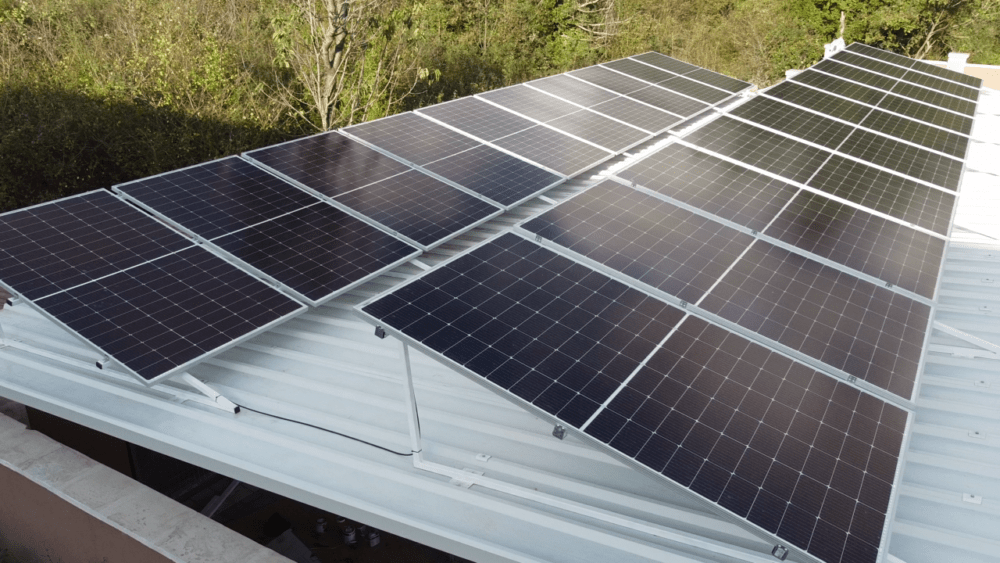
Of course, the most asked question from our clients is: – the cost and payback period of solar systems. Let’s try to figure this out. Despite the fact that each system is individual in design and contains a different set of equipment, we will try to get closer to the answer. Let’s take, for example and convenience of calculations, an electric hybrid system with a power of 10 kW with an array of panels identical in power and battery capacity.
Let’s first try to understand the cost of the equipment.
So, the heart of any photovoltaic system is the inverter. We will consider two options. The first is a single-phase full hybrid with the function of mixing into the network current and selling to the network. Today, the cost of such a high-quality inverter, but from a Chinese manufacturer, with a capacity of 10 kW will cost you about 1000-1100 euros. Its three-phase counterpart will cost an order of magnitude more, about 2500 – 2700 euros.
Next, the panels, today, after reducing VAT to 7% in Montenegro, the price has dropped and will be about 110-125(depending on the manufacturer) euros for a standard monocrystalline half-cell panel with a power of 450W. This means we need 22 of these panels to get closer to the nominal value of 10 kW. We multiply 22 by 125 and get 2750 euros.
The cost of good quality lithium-ion batteries ranges from 280 euros for locally assembled systems and about 320-350 euros for Chinese factory assembly for one kW/hour of nominal capacity – this is about 3500 euros for the 10 kW/hour we need.
We will also need various materials both from the direct current side (DC wires, connectors, terminals, switches, circuit breakers and fuses) and from the alternating current system (AC cables, contactors, circuit breakers and automation relays) And if in new construction these materials are cheaper. But converting existing systems at home or business to operate a station in backup power mode sometimes requires significant costs. From experience, we can take a certain average figure for a 10 kW station – about 1000 euros.
Separately, it is worth calculating the cost of the panel fastening system. If it is a standard pitched tiled roof, the system for this number of panels will cost about 1000 euros. If the roof is flat, then the east-west system will cost about 1,500 euros. An inclined structure directed to the South will cost about the same.
Now let’s try to calculate the cost of installation. The basic value for calculations is the cost of 100 euros per kilowatt. But at this price it will be possible to install only the station on a prepared site without any questions about additional work – an unlikely scenario as a rule. Preparatory and additional work amount to another + 50% of the base cost. From here we can take an average figure – about 1500 euros for the installation of our 10 kW station.
We add up what we get: inverter 2700e + panels 2750e + batteries 3500e + additional. materials – 1000e + fastening system 1500e + installation 1500e = 12950 euros. From here we can conclude: the average cost of a three-phase hybrid solar station is about 1,300 euros per kW of rated power. A monophase system will cost a little less – about 1000-1200 euros per kW. And a network station without batteries will cost about 900-1000 euros per kW of rated power.
We can reduce the number of panels for those systems that cannot consume a lot of energy during the day, but with such consumption we will have to increase the battery capacity in order to use the accumulated energy in the evening – which will not bring us a significant difference in the calculations…
Published March 21 2024
Your electric car using a home solar power station
Is it possible to charge an electric car using a home solar power station?
Of course, the answer to this question is positive. Moreover, modern equipment allows you to distribute energy flows to a given load in automatic mode, as well as direct them in parallel mode, serving all consumers simultaneously.
Another way out in this situation would be to transfer excess energy to the network during the day, if your car cannot be charged at home during daylight hours. Afterwards, you will be able to regain the electricity that you shared with the network during the day. This scheme is possible upon concluding an appropriate agreement with an electricity supply organization.
You can order all the necessary equipment from our company, with delivery, installation and subsequent warranty and post-warranty service.
Published Jan 30 2024
Solar inverters

The heart of any photovoltaic system is the inverter. DEYE, GROWATT, BLUESUN and FRONIUS – these manufacturers are the standard of high quality in the inverter market and are widely represented in the line of equipment we offer. The precise and well-coordinated operation of all power relays, automation and communication systems allows the inverter to control your solar system for many years, without failures.
A pure sine wave inverter is a type of inverter that converts direct current from a battery, photovoltaic panels, or other power source into alternating current with a sine wave waveform. Such inverters are used in all uninterruptible power supply systems, solar power plants and other applications where high quality output signal is required. We offer inverters only with pure sine wave output!
If desired, the inverter can be equipped with a remote monitoring and control system (details in the “monitoring” section).
Networked, hybrid, autonomous inverters – our engineers will help you select any type and required power.
Published Jan 21 2024